Introduction
In the realm of construction and woodworking, sourcing quality hardwood timber stands as a pivotal task. Whether you're a builder, a craftsman, or a DIY enthusiast, selecting the right type of timber can profoundly influence the durability and aesthetics of your projects. With various options available—ranging from hardwood to softwood, and different sourcing strategies—understanding how to procure top-notch materials is essential. This article delves into a comprehensive step-by-step approach for sourcing hardwood timber, ensuring that you make informed decisions.
Sourcing Quality Hardwood Timber: A Step-by-Step Approach
Understanding Timber Types
What is Hardwood Timber?
Hardwood timber comes from deciduous trees that lose their leaves annually. Popular for its density and durability, hardwood is often used for high-quality furniture, flooring, and cabinetry because it can withstand wear and tear. Varieties like oak, cherry, walnut, and maple are highly sought after in the industry.
What is Softwood Timber?
Softwood timber is derived from coniferous trees that typically remain evergreen throughout the year. Softwoods such as pine, cedar, and fir are known for their lighter weight and ease of use but may not possess the same strength as hardwoods. They are commonly used in construction framing and outdoor applications.
Hardwood vs. Softwood: Key Differences
| Feature | Hardwood | Softwood | |------------------|-----------------------------|------------------------------| | Density | Generally denser | Typically less dense | | Durability | More durable | Less durable | | Cost | Usually more expensive | Often more affordable | | Common Uses | Furniture, flooring | Construction framing |
Why is Quality Important?
When sourcing timber—especially hardwood—quality matters immensely. High-quality timber ensures longevity and enhances the overall aesthetic appeal of your projects. Inferior timber can lead to structural failures or aesthetic disappointments down the line.
Determining Your Needs
Identifying Project Requirements
Before diving into sourcing hardwood timber, assess your project requirements:
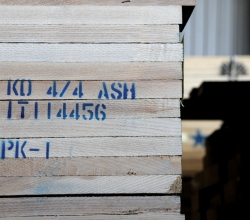
- What type of project are you undertaking? What specific characteristics do you need (e.g., color, grain patterns)? How much wood will you require?
By answering these questions upfront, you'll streamline your search process.
Understanding Local Climate Effects on Timber
Different climates affect how wood performs over time. For instance:
- In humid areas, certain wood types may warp or swell. In arid regions, some woods might crack due to dryness.
Researching local climate conditions can better inform your timber choice.
Where to Source Quality Hardwood Timber?
Local Timber Mills vs. Online Suppliers
When sourcing quality hardwood timber, consider both local mills and online suppliers:
Local Timber Mills:- Pros: Support local businesses; inspect wood before purchase. Cons: Limited selection sometimes.
- Pros: Wider variety; often competitive pricing. Cons: Cannot physically inspect before buying; shipping costs may apply.
Evaluating Suppliers
Reputation Matters
When looking for suppliers—be they local or online—check their reputation through reviews or word-of-mouth recommendations. Reliable suppliers often have established relationships with customers built on trust.
Inspecting Wood Samples
Request samples whenever possible before making large purchases. Look for:
- Consistency in color Absence of knots No signs of damage or decay
This allows you to gauge quality firsthand.
Understanding Pricing Structures
Timber Wholesale Pricing vs Retail Pricing
Understanding pricing structures can save you money:
- Wholesale Pricing: Generally lower prices due to bulk purchasing but may require minimum order quantities. Retail Pricing: Higher prices usually come with smaller quantities; suitable for personal projects without bulk needs.
Negotiating Prices with Suppliers
Don't hesitate to negotiate prices with suppliers! If you're purchasing in bulk or establishing a long-term relationship with them, there's often room for discussion on rates.
Logistics of Transporting Your Timber Purchase
Transportation Options Available
Once you've secured your hardwood timber supply:
Local Pickup: Ideal if you're close enough to the supplier. Delivery Services: Many suppliers offer delivery but ensure clarity on costs beforehand. Third-party Logistics: Sometimes necessary if transporting large quantities over long distances.Storage Considerations Post-Purchase
Proper storage ensures that your high-quality hardwood remains in excellent condition until use:
Store in a dry location away from moisture. Stack wood properly to avoid warping. Cover with tarps if storing outdoors temporarily.Maintaining Quality Over Time
To maintain your sourced quality hardwood timber:
Regularly check for signs of pests or rot. Ensure proper ventilation in storage areas. Clean surfaces periodically to prevent dirt buildup.Frequently Asked Questions (FAQs)
1. What is the best way to identify quality hardwood?
Quality hardwood can be identified by looking at its grain patterns, density (heaviness), lack of defects like knots or splits, and by checking its moisture content using a meter.
2. Can I source hardwood timber online effectively?
Yes! Many reputable online suppliers provide detailed descriptions and images of their products so you can make informed decisions without seeing them physically first-hand.
3. Is all hardwood expensive?
Not necessarily! While some species like mahogany may carry premium prices due to their rarity or demand, there are more affordable options like oak or maple which offer great value without breaking the bank.
4. Why should I choose local over online suppliers?
Choosing local suppliers allows you to inspect wood personally before purchase while supporting community businesses; however, online options might provide better variety at competitive prices depending on your needs.
5. How does climate affect my choice in hardwood?
The climate influences how certain woods react over time; thus selecting wood suited for your environment ensures longevity by preventing issues like warping from excessive humidity or cracking due to dryness!
6. How can I ensure my purchased lumber stays in good shape during storage?
Store lumber in a cool dry place away from moisture sources! Stack it properly keeping airflow around each piece – additionally cover exposed stacks if it's outside temporarily!
Conclusion
Sourcing quality hardwood timber is both an art and a science that requires careful consideration at every step—from identifying your needs to evaluating potential suppliers based on reputation while understanding pricing structures along with transportation logistics afterwards! By following this thorough guide not only will you ensure successful procurement but also Wholesale Timber enhance the overall success rate behind each project undertaken within woodworking crafts whether you're building furniture installing flooring making cabinetry etc., ultimately leading towards greater satisfaction upon completion!

By taking time investing effort researching thoroughly choosing wisely & maintaining what has been acquired would yield lasting results worth celebrating time again ensuring every project shines bright showcasing excellent craftsmanship fueled by high-quality materials sourced intentionally!